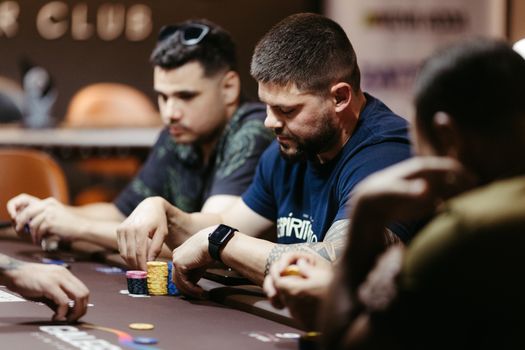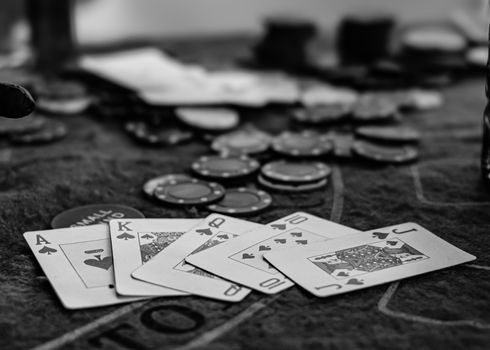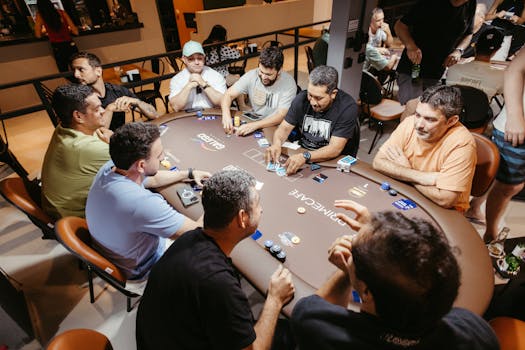
Live poker is a thrilling blend of strategy, psychology, and adaptability. Unlike online poker, where players are separated by screens and anonymity, live poker brings competitors face-to-face, adding new layers of complexity and excitement. Whether you’re a seasoned online player making your first foray into a brick-and-mortar casino, or a casual card enthusiast hoping to sharpen your edge, learning how to improve your skills in live poker is essential to consistent success. Drawing on insights and tips from professional players, this guide will help you elevate your live poker game and stand out at the table.
The Unique Challenges of Live Poker
Live poker differs from its online counterpart in several fundamental ways. The pace is slower, the environment is more social, and the ability to read physical cues—known as “tells”—can offer a significant advantage. According to a 2022 survey by the World Series of Poker, 63% of professional players cited live poker as “strategically richer” due to the greater depth of information available at the table.
Key differences include:
- $1 Players can observe each other’s body language, betting patterns, and reactions. - $1 In live games, players often have more time to think, leading to deeper strategic play. - $1 Table talk, etiquette, and psychology play a more prominent role. - $1 Typically, live players see 25-35 hands per hour, compared to 60-80 in online games.To thrive in this environment, you must blend technical skill with social awareness and emotional control.
.png)
Mastering Table Presence and Nonverbal Communication
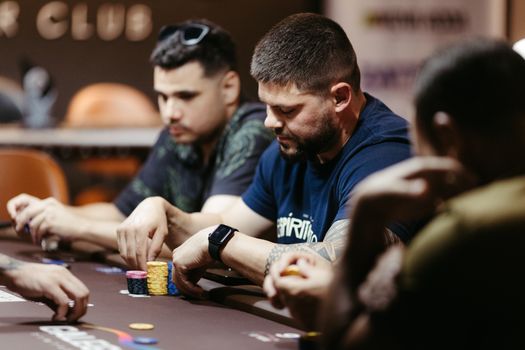
Pros agree that reading—and controlling—nonverbal cues is crucial in live poker. Daniel Negreanu, a six-time World Series of Poker bracelet winner, attributes much of his success to his ability to observe and influence physical tells.
Key strategies include:
- $1 Watch for subtle signs, such as trembling hands, changes in breathing, or how quickly a player bets. For example, a 2018 study published in the Journal of Behavioral Decision Making found that players who consistently monitored opponents’ eye movements increased their win rate by 12%. - $1 Practice maintaining a consistent demeanor regardless of your hand strength. Many professionals recommend rehearsing a “poker face” in front of a mirror or recording your play to spot unconscious habits. - $1 Some pros use casual conversation to put opponents at ease or extract information. Others remain silent to avoid giving anything away. Choose a style that feels authentic but be mindful of your table image.Developing table presence takes time and self-awareness, but it can be a significant differentiator at any skill level.
Adapting Your Strategy to Live Play
Live poker often rewards a different approach than online games. Because you play fewer hands, patience and selective aggression are vital. Professional players recommend adjusting your range and betting patterns to exploit the slower tempo and more cautious opponents.
Consider these tactical shifts:
- $1 Since you see fewer hands per hour, playing speculative hands less frequently can help you avoid tricky situations and capitalize on strong holdings. - $1 Many live players call too often with mediocre hands. Bet confidently when you have the best hand to extract maximum value. - $1 Live games, especially at lower stakes, often feature opponents who call instead of raise. Target these players with aggressive bets when you sense weakness.Here’s a comparison highlighting some strategic differences between live and online poker:
| Aspect | Live Poker | Online Poker |
|---|---|---|
| Hands per Hour | 25-35 | 60-80 |
| Reading Opponents | Body language, table talk | Betting patterns, timing tells |
| Table Dynamics | Slower, more social | Faster, more analytical |
| Common Mistakes | Calling too much, giving off tells | Over-bluffing, multi-tabling errors |
| Bankroll Swings | Lower variance per session | Higher variance due to volume |
Understanding these differences helps you tailor your strategy for maximum effectiveness at the live table.
Psychological Warfare: Mindset and Emotional Control
Live poker is as much a mental battle as it is a test of card skills. Maintaining focus, managing emotions, and staying alert to psychological dynamics are vital to long-term success. According to the Global Poker Index, mental mistakes account for as much as 30% of lost profit among semi-professional live players.
Here’s how the pros keep their edge:
- $1 The slow pace can tempt players to get involved in marginal hands. Top professionals wait for favorable spots and let the game come to them. - $1 Bad beats and frustrating sessions are inevitable. Pro players develop routines (such as deep breathing or stepping away from the table) to regain composure and prevent emotional decisions. - $1 Live sessions can stretch for hours. Bring water, take regular breaks, and avoid playing when tired or distracted. - $1 Some of the best information comes when you’re not involved in the pot. Watch how others play their hands and adjust accordingly.Mental discipline is a skill that separates consistent winners from the rest of the field.
Bankroll Management and Game Selection for Live Poker
Proper bankroll management is essential for surviving the inevitable ups and downs of live poker. Unlike online play, where you can quickly jump between stakes and tables, live games require more careful planning.
Key bankroll tips from the pros include:
- $1 Decide in advance how much you’re willing to lose in a single session. Most professionals recommend bringing at least 20-30 buy-ins for your chosen stakes. - $1 Don’t be afraid to move tables if the action is slow or the competition is too tough. The best professionals are excellent game selectors, seeking out tables with weaker opponents. - $1 Keep a simple log of your wins, losses, and hours played. Even a basic spreadsheet can help you identify strengths and weaknesses over time. - $1 Remember to include travel, tips, and food in your calculations, as live play entails additional costs that online poker does not.According to a 2023 CardPlayer Magazine survey, players who tracked their live results were 18% more likely to be profitable over a 12-month period than those who did not.
Learning from the Pros: Practice, Study, and Real-World Experience
There’s no substitute for experience, but the fastest way to improve is to combine practice with study. Professional live poker players constantly refine their skills by reviewing hands, discussing strategy, and even hiring coaches.
Consider these proven approaches:
- $1 Discussing hands with peers can expose you to new ideas and perspectives. Many local casinos and poker rooms have informal groups or social media communities. - $1 After each session, note key hands or challenging spots. Some players use phone apps to jot down details for later analysis. - $1 Many top professionals, including Phil Ivey and Maria Ho, stream their games or offer commentary. Observing their thought process can be invaluable. - $1 Major poker tours often host workshops and bootcamps led by top players. These events offer a chance to learn directly from the pros and ask questions face-to-face.Consistent study and honest self-assessment will help you adapt to the ever-changing dynamics of live poker and stay ahead of the competition.
Final Thoughts: Elevate Your Live Poker Game
Improving your skills in live poker is a rewarding journey that goes beyond memorizing hand charts or basic strategy. By focusing on table presence, adapting your tactics, mastering the psychological side of the game, and learning from those who have succeeded before you, you can dramatically boost your win rate and enjoyment at the table. Remember: the best players are always learning, always observing, and always striving to improve. Take these professional insights to heart, and you’ll be well on your way to making your mark in the world of live poker.