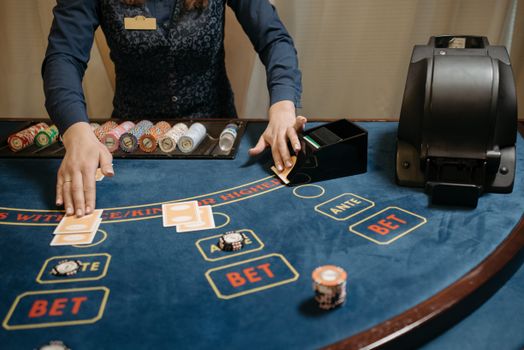
Online gaming has become a major global pastime, with millions of players engaging in everything from casual eSports to real-money casino games. As this digital entertainment grows, so does the need to safeguard your financial resources. Whether you’re buying in-game currency, managing an online casino bankroll, or making microtransactions, your financial safety is paramount. The convenience of digital payments brings unique security risks, from data breaches to overspending. In this article, we’ll explore how to safely store and manage your financial resources while online gaming, focusing on practical steps, payment solutions, and digital habits that protect your money and give you peace of mind.
The Digital Risks of Online Gaming Transactions
Online gaming typically involves frequent financial transactions—buying loot boxes, topping up credits, placing bets, or subscribing to new content. According to Newzoo’s 2023 Global Games Market report, the worldwide gaming market generated $184.4 billion in 2023, with over $72 billion spent on in-game purchases alone. This massive cash flow attracts cybercriminals.
Common threats include:
- Phishing attacks: Fake emails or websites that steal your login or payment information. - Account hacks: Weak passwords or reused credentials give hackers easy access to your gaming and financial accounts. - Data breaches: Large gaming companies have suffered breaches exposing millions of user accounts and payment details. For example, the 2020 Nintendo breach exposed over 160,000 accounts. - Malware and keyloggers: Downloading unofficial mods or cheats can infect your device with malware that records keystrokes, capturing banking details.Understanding these risks is the first step in safeguarding your money during online play.
.png)
Choosing Secure Payment Methods for Online Gaming
Selecting the right payment method is crucial for online gaming safety. Each option offers a different balance of convenience and security. Below is a comparative table summarizing popular payment methods for gamers.
| Payment Method | Security Features | Privacy | Processing Speed | Popular Examples |
|---|---|---|---|---|
| Credit/Debit Cards | Fraud protection, 2FA, chargeback ability | Low (personal data shared with merchants) | Instant | Visa, MasterCard |
| e-Wallets | Encrypted transactions, limited data exposed | Medium (wallet shields bank info) | Instant | PayPal, Skrill, Neteller |
| Prepaid Cards | Anonymous, no bank link | High (no personal info required) | Instant | Paysafecard, Neosurf |
| Cryptocurrency | Blockchain verification, decentralized | High (can be anonymous) | Varies (minutes to hours) | Bitcoin, Ethereum |
Prepaid cards and cryptocurrencies offer higher privacy and reduce the risk of exposing your main bank account. e-Wallets add an extra buffer between gaming sites and your financial details. No matter your choice, enable two-factor authentication (2FA) wherever possible and avoid storing card details on gaming platforms.
Best Practices for Managing Your Gaming Budget Online
Once you’ve secured your payment method, it’s vital to manage your budget wisely. Poor money management is a leading cause of financial distress for online gamers. In a 2022 survey by the UK Gambling Commission, 24% of respondents admitted to spending more than intended during online gaming sessions.
Here’s how to stay in control:
1. Set strict deposit limits: Many online gaming platforms and casinos allow you to set daily, weekly, or monthly deposit caps. Use these tools to prevent overspending. 2. Use dedicated accounts or cards: Consider loading a prepaid card or using a separate e-wallet exclusively for gaming. This practice isolates your gaming budget from your main finances. 3. Track your transactions: Keep a digital or physical ledger of all gaming-related expenses. Regularly review your spending to spot patterns and avoid impulse buys. 4. Avoid auto-renewals: Subscription-based games or services often default to auto-renew. Disable this feature to ensure you’re always aware of recurring charges.By establishing firm boundaries and monitoring your activity, you can enjoy online gaming without financial regret.
Protecting Your Accounts with Strong Security Measures
Your financial safety is only as strong as your account security. In 2023, a study by Norton found that 67% of gamers had experienced some form of cyberattack, with compromised accounts often leading to stolen money or assets.
Follow these account protection strategies:
- Use unique, complex passwords for every gaming and payment account. Password managers like LastPass or Bitwarden can help generate and store strong credentials. - Enable two-factor authentication (2FA) on all gaming and payment platforms. This extra verification step blocks most unauthorized access. - Avoid sharing account details, even with friends. Many account thefts occur via trusted contacts. - Regularly update your devices and gaming software to patch security vulnerabilities. - Log out after each session, especially on shared or public devices.Being proactive with these measures greatly reduces your risk of financial loss.
Recognizing and Avoiding Scams in the Gaming Community
Online gaming platforms and communities are prime targets for scammers. Whether offering in-game deals or posing as support agents, fraudsters can trick even experienced players. The Federal Trade Commission (FTC) reported over 46,000 cases of social media scams related to online gaming in 2023, resulting in more than $90 million lost.
Watch for these red flags:
- Unsolicited messages offering free credits, bonuses, or rare items in exchange for personal or payment details. - Fake websites mimicking legitimate gaming platforms. - Requests to move transactions off-platform, using direct bank transfers or cryptocurrency. - Suspicious links sent via chat or email—never click on links from unknown sources.If you’re ever unsure about a transaction, contact the official gaming platform’s support team before proceeding. Trust your instincts: if a deal seems too good to be true, it probably is.
Storing and Backing Up Your Digital Assets
In-game purchases, virtual currencies, and earned digital assets can represent significant value. High-profile incidents, such as the theft of $6 million in digital items from Steam accounts in 2022, highlight the importance of secure storage.
Tips for protecting your digital assets:
- Only purchase in-game currency or assets through official stores or reputable marketplaces. - Enable security features like transaction PINs or withdrawal limits where available. - Regularly back up your gaming account credentials and recovery information in a secure, offline location. - For valuable assets (such as NFTs or rare skins), consider using a hardware wallet or other secure storage solution compatible with the asset type.Taking these steps ensures your digital property remains safe, even if your primary device or account is compromised.
Final Thoughts on Safe Financial Management in Online Gaming
Online gaming offers fun and excitement, but it also requires vigilance when it comes to your money. With cyber threats on the rise and financial scams targeting gamers, it’s more important than ever to protect your financial resources. By choosing secure payment methods, applying strong account security, managing your gaming budget, and staying alert for scams, you can enjoy your favorite games without putting your finances at risk. Make proactive safety a part of your gaming routine and you’ll not only protect your wallet but also enhance your overall gaming experience.