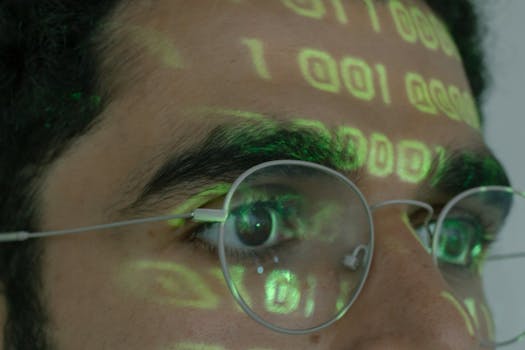
Heading into the Future: AI's Role in Live Dealer Casinos
The integration of artificial intelligence (AI) is reshaping industries worldwide, and the casino sector, especially live dealer casinos, is no exception. These platforms, known for their immersive real-time gaming experiences facilitated by human dealers, are on the brink of significant evolution due to AI advancements. This article delves into how AI could redefine live dealer casinos, enhancing player interaction while addressing industry challenges.
Personalization at Its Peak
.png)
One of AI's most notable contributions to live dealer casinos is the ability to personalize player experiences profoundly. By analyzing player data, AI can discern individual preferences and behaviors, allowing for customized game recommendations and adjustments in game difficulty. This level of personalization not only boosts player engagement but also enhances retention rates, as players are likely to return to an environment that resonates with their preferences.
Ensuring Fair Play and Security
AI’s role in improving game integrity cannot be overstated. With its capability to monitor games for any irregular patterns or potential cheating, AI helps in maintaining a fair gaming environment. This technology can also automate the surveillance of betting patterns and player behavior, crucial for identifying and addressing gambling-related issues promptly. By ensuring a secure and fair environment, AI builds a trustworthy relationship between players and the casino.
Transforming the Role of Dealers
While the presence of human dealers is integral to the live casino experience, AI can significantly augment their roles. AI can assist dealers with real-time insights, payout calculations, and player interaction strategies, allowing them to focus more on enhancing the player's experience through engaging interactions. This synergy between AI and human dealers can lead to more efficient and enjoyable game sessions.
Innovations in Game Development
The potential for AI in game development is vast. AI can be used to design complex game scenarios that adapt based on player interactions, paving the way for new and dynamic game genres. Additionally, the integration of AI with virtual reality (VR) could revolutionize live dealer settings, creating deeply immersive environments that blend real and virtual elements seamlessly.
Navigating Challenges
Despite these advancements, the integration of AI in live dealer casinos is not without challenges. The potential reduction in the need for human dealers is a concern, as AI takes over some traditional roles. However, this can be addressed by redefining dealer duties, emphasizing their role in providing live entertainment and player interaction.
Moreover, ethical and privacy issues are at the forefront of AI integration. Ensuring that player data is handled responsibly and transparently is crucial. Casinos must comply with strict privacy regulations and be transparent about their AI systems' workings to maintain player trust and legal compliance.
Conclusion
The future of live dealer casinos in the AI era promises enhanced personalization, improved security, and innovative gaming experiences. However, successfully integrating AI requires addressing ethical concerns, redefining employment roles, and maintaining rigorous security standards. By overcoming these challenges, live dealer casinos can fully leverage AI's potential to offer a more engaging, secure, and fair gaming environment. As AI continues to evolve, it will be intriguing to see its lasting impact on live dealer casinos and the broader gambling industry.