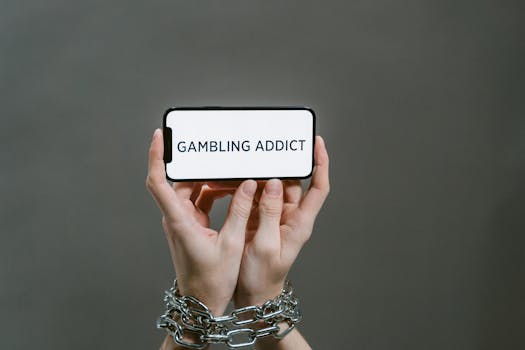
Artificial Intelligence (AI) is reshaping countless industries, and online gambling is no exception. While AI promises improved security, fairness, and personalization, it also brings new challenges—especially concerning gambling addiction. As the global online gambling market is projected to reach $153 billion by 2030, understanding how AI influences addictive behaviors is essential. This article explores the double-edged role of AI in online gambling addiction, examining both its potential to exacerbate and mitigate problem gambling, and what this means for players, operators, and regulators.
The Growth of Online Gambling and the Rise of AI
Online gambling has exploded in popularity over the past decade. In 2023, over 1.6 billion people participated in some form of online gambling, according to Statista. The convenience of mobile apps, digital payments, and instant access has removed many barriers that once limited gambling to physical casinos.
AI is now deeply integrated into these platforms. Algorithms analyze player behavior, preferences, and spending patterns to deliver personalized experiences, from tailored marketing to customized game suggestions. AI-driven chatbots provide real-time support, while machine learning models detect fraudulent activities and ensure fairness.
.png)
But as AI makes online gambling more immersive and engaging, it also raises concerns about its influence on addictive behaviors. According to the National Council on Problem Gambling, up to 6% of U.S. adults are considered problem gamblers—a figure that could rise as AI-powered gambling platforms become more pervasive and persuasive.
How AI Can Fuel Online Gambling Addiction
AI’s primary function in online gambling platforms is to maximize user engagement and profitability. Unfortunately, the same techniques that increase entertainment and retention can also intensify addictive behaviors.
1. Personalized Promotions and Targeting: AI algorithms analyze thousands of data points per user—such as betting frequency, time spent, and preferred games—to deliver highly targeted promotions. For example, someone who often plays slots might receive free spins or bonus credits at precisely the right moment to keep them engaged. According to a 2021 research article in "Addiction," personalized offers can significantly increase the risk of compulsive gambling, as they exploit individual vulnerabilities. 2. Dynamic Game Design: AI can modify games in real time based on player reactions, optimizing features to increase excitement and time-on-site. This includes adjusting win frequencies, unlocking bonus rounds, or introducing timed challenges. A 2022 study from the University of Nevada found that dynamic, adaptive games led to a 15% longer average play session compared to static games. 3. Reinforcement Algorithms: Much like social media platforms, gambling sites use reinforcement learning to create reward loops that keep users coming back. AI can adjust the timing and size of rewards to maximize dopamine release. As reported by the UK Gambling Commission, these mechanisms can lead to loss of self-control, especially among at-risk individuals.The Positive Role of AI in Detecting and Preventing Addiction
While AI can exacerbate gambling addiction, it also offers powerful tools for prevention and intervention. Responsible gaming initiatives increasingly depend on machine learning to identify and support problem gamblers.
1. Behavioral Monitoring: AI systems continuously monitor player activity for signs of risky behavior, such as increased betting amounts, chasing losses, or playing late into the night. Operators like Kindred Group have adopted AI to monitor over 30 behavioral markers. In 2022, their system flagged 76,000 users for potential problem gambling, prompting early interventions. 2. Automated Interventions: When risky behavior is detected, AI can trigger real-time interventions—ranging from pop-up reminders about time spent, to mandatory cool-off periods, or direct referrals to support resources. A 2020 European Gambling & Betting Association report found that automated interventions reduced problematic gambling by up to 20% among flagged users. 3. Personalized Self-Exclusion Tools: AI enhances the effectiveness of self-exclusion programs by predicting when a user is most likely to relapse and offering timely nudges or resources. For example, BetBuddy, an AI tool acquired by Playtech, helps operators analyze player data and recommend individualized self-exclusion periods, which has resulted in a 30% higher success rate compared to traditional methods.Comparing AI’s Dual Impact: Risk vs. Protection
To better understand the complex influence of AI on online gambling addiction, let's compare its potential risks and protective benefits:
| AI Application | Risk of Addiction | Protective Effect |
|---|---|---|
| Personalization Algorithms | Increased compulsion via targeted offers and game suggestions | Can personalize responsible gaming messages and limits |
| Game Design Optimization | Longer play sessions and stronger reward loops | Adaptive limits and reminders based on play history |
| Behavioral Monitoring | Potential privacy concerns if misused | Early detection and intervention for high-risk behaviors |
| Automated Customer Support | Instant assistance can prolong gambling sessions | AI chatbots can offer help and direct users to support resources |
Challenges and Ethical Considerations
Despite the promise of AI-driven prevention, several challenges complicate its deployment. First, there is a risk of conflict of interest. Gambling operators profit from higher player engagement, which may discourage them from fully implementing protective measures. Regulators must ensure transparency and accountability in how AI is used.
Second, privacy is a growing concern. Continuous behavioral monitoring collects vast amounts of personal data, raising questions about consent and data security. The European Union’s General Data Protection Regulation (GDPR) has set strict guidelines, but enforcement varies worldwide.
Another ethical issue is algorithmic bias. If AI models are trained on biased data, they may fail to accurately identify at-risk individuals—especially among minority or vulnerable populations. For instance, a 2023 report by the Responsible Gambling Council noted that AI systems were 18% less likely to flag risky behavior in older adults compared to younger users.
Finally, there is the challenge of transparency. AI algorithms, especially those based on deep learning, can be “black boxes”—their decision-making processes are not always explainable to users or regulators. This opacity makes it hard to audit AI’s role in promoting or preventing addiction.
What Are Regulators and Operators Doing?
Governments and industry bodies are increasingly aware of AI’s double-edged sword in online gambling. Several measures have been introduced to harness its benefits while minimizing harm:
1. Strict Regulatory Oversight: Countries like the UK and Sweden have tightened regulations, requiring operators to use AI for proactive risk detection and responsible gambling measures. The UK Gambling Commission mandates regular audits of AI algorithms and transparency reports on interventions. 2. Industry Collaboration: Major operators are joining forces to develop shared AI tools for harm prevention. The European Gaming and Betting Association launched the “AI for Safer Gambling” initiative in 2023, facilitating data sharing and best practices across borders. 3. Public Awareness Campaigns: AI is being used to deliver targeted public health messages. For example, the Australian government’s “BetStop” campaign leverages AI to identify at-risk individuals and deliver support resources directly via digital channels. 4. Funding for Research: Several countries have increased funding for independent research into AI’s impact on gambling addiction. In 2022, Canada invested $5 million in a national study on AI and online gambling harm, aiming to inform future policy.Conclusion: Navigating the Future of AI and Online Gambling Addiction
AI is transforming online gambling at a blistering pace, driving both unprecedented engagement and new risks for addiction. The same technologies that make online casinos more entertaining and profitable can also make them more dangerous for vulnerable individuals. However, if harnessed responsibly, AI holds considerable promise for early detection, intervention, and support.
The path forward requires a careful balance between innovation and protection. Regulators, operators, and technology providers must collaborate to ensure that AI serves the public good—using data-driven insights not just to maximize profits, but to minimize harm. As AI continues to evolve, ongoing research, transparency, and robust safeguards will be crucial to preventing a new wave of gambling addiction in the digital age.